

Industrial Warehouse Rentals: What to Check Before You Sign
A practical guide for anyone looking to rent an industrial warehouse in Mexico: zoning, electrical capacity, clear height.
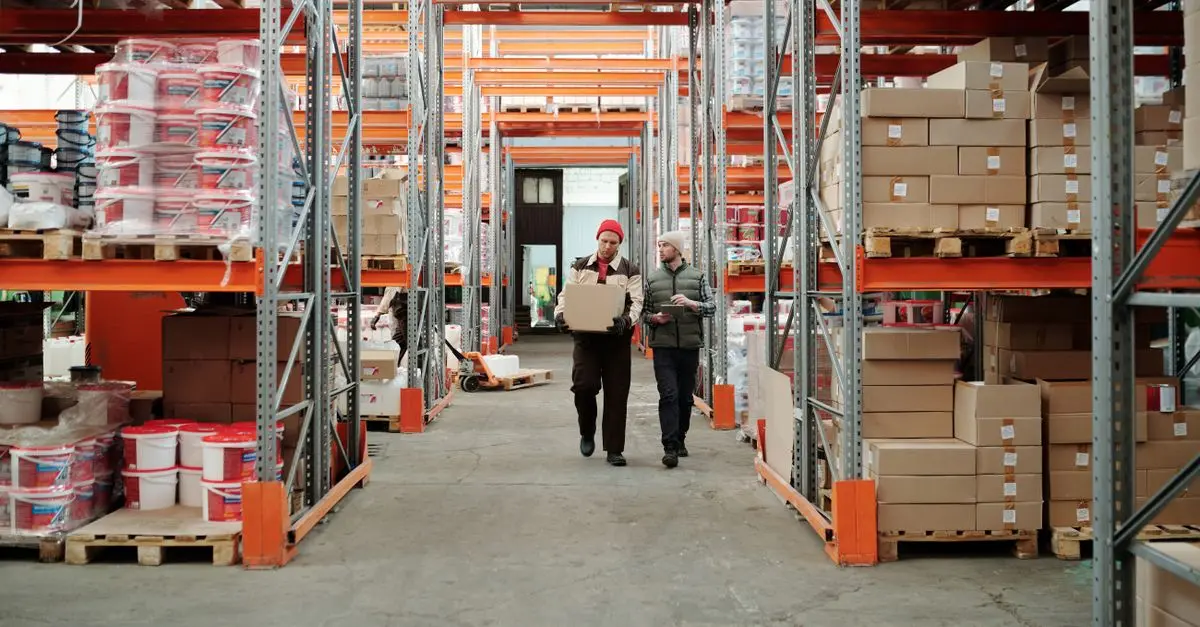
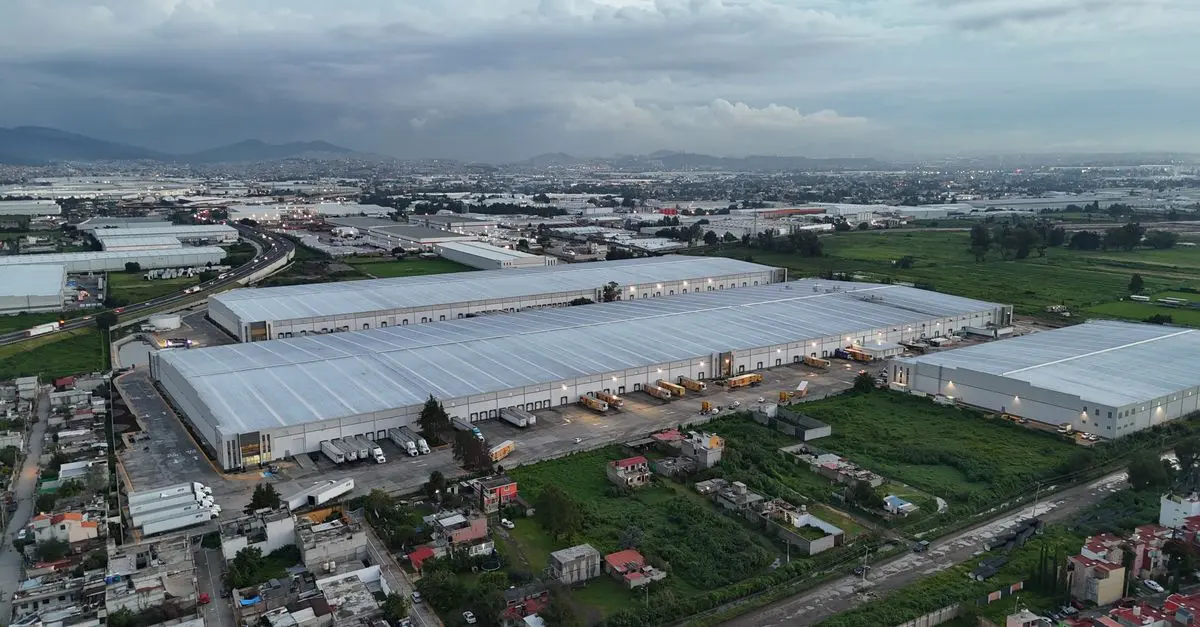
Nearshoring has driven up demand for industrial space in corridors like the Bajío, Monterrey, Tijuana and the Valle de México, and that has made the process of finding an industrial warehouse for rent more competitive (and riskier). Signing quickly out of fear of losing the space can get expensive: insufficient electrical capacity, zoning restrictions or unclear rent-escalation clauses are problems that surface months later, when they are already hard to fix. This guide pulls together the technical, legal and operational points worth reviewing before you put your signature on the contract.
Important notice: This article is for informational purposes only and does not replace the advice of an attorney specializing in industrial leasing, a structural engineer or an electrical installations expert. Zoning requirements, civil protection (protección civil) regulations and market conditions vary by municipality and change over time; always confirm with local authorities and a professional before signing a lease.
1. Zoning and operating permits
Before evaluating the space itself, confirm that the property has zoning (uso de suelo) compatible with the activity you plan to carry out (storage, light manufacturing, heavy manufacturing, cross-dock logistics, etc.). A common mistake is assuming that "industrial" is a single category; in practice, municipalities tend to distinguish between light, medium and heavy industry, as well as mixed-use zones that restrict certain processes because of noise, emissions or the handling of hazardous substances.
- Ask the owner for the current zoning certificate (constancia de uso de suelo) and compare it against your actual activity.
- Check whether your operation requires an operating license, a civil protection (protección civil) assessment or additional environmental permits (waste handling, hazardous substances, noise).
- If you plan to sublet part of the space or share it with another company, confirm that both the lease and the zoning allow it.
- In private industrial parks, review the internal regulations: some limit loading hours, types of machinery or the number of employees on the floor.
This point is especially relevant in high-demand nearshoring areas, where developers sometimes lease space before all the final permits are fully in order. Ask to see the documents, not just to have them described to you.
2. Technical specifications of the building
The warehouse's spec sheet determines whether it truly works for your operation. Before signing, ask for a survey or technical report and verify the following points on site:
| Specification | Why it matters |
|---|---|
| Clear height under beam | Determines whether you can use multi-level racking; modern buildings often exceed 10-12 meters, but it varies widely by project. |
| Floor load capacity | Determines the weight per square meter the floor can bear (heavy racking, forklifts, machinery); ask for the figure in kg/m2, not a verbal estimate. |
| Number and type of loading docks | Dock levelers vs. ground-level ramps; this affects loading efficiency and the type of transport you can receive. |
| Column spacing (bays) | Wider bays give more layout flexibility; closely spaced columns limit aisles and racking. |
| Fire protection system | Sprinklers, hydrants and their coverage are reviewed by insurers and civil protection (protección civil); their absence can raise insurance costs or block the operating permit. |
Bring someone from operations or logistics to the visit, not just the commercial or legal team. The person who will use the building every day spots problems that a contract won't reveal, such as aisles that are too narrow for a forklift's turning radius.
3. Electrical and utilities infrastructure
Electrical capacity is one of the points most often underestimated when renting an industrial warehouse, especially if you plan to install machinery, manufacturing lines or refrigeration systems. Before signing, request:
- The currently contracted capacity with the electric utility and whether there is room available to expand it.
- The type of rate (medium or high voltage) and whether the property has its own substation or relies on one shared with other users in the park.
- Availability of natural gas or LP gas if your process requires it, and the condition of the water and industrial drainage network.
- Telecommunications coverage (fiber optic) if your operation depends on real-time connected systems.
Common costly mistake: signing the lease without confirming the available electrical capacity in writing, then discovering, once you are already set up, that expanding it takes months of paperwork with the electric utility and an investment you hadn't budgeted for. Get the figure in kVA or kW in writing before committing, not just the landlord's word.
4. Lease clauses to review in detail
An industrial lease is usually longer and more technical than a residential one. Pay special attention to:
- Mandatory term and renewal: industrial leases are typically set for several years with automatic renewal clauses; check whether the rent increase at renewal is tied to a specific index or left to open negotiation.
- Rent adjustment mechanism: confirm whether it adjusts according to inflation, a dollar-based index or a fixed annual percentage, and how often.
- Responsibility for structural maintenance: the roof, major electrical installations and the fire protection system usually fall to the owner, while day-to-day operational maintenance is the tenant's; make sure this is spelled out in the lease, not left as a verbal agreement.
- Security deposit and how it is returned: how much it amounts to (commonly several months of rent in industrial buildings), under what conditions it is withheld in whole or in part, and the deadline for its return at the end of the lease.
- Tenant improvements clause: if you need to adapt the space (offices, cold rooms, special installations), define in writing who pays for them, whether they can be amortized against rent, and what happens to them when the lease ends.
- Early termination penalty: review the amount and conditions in case your operation changes scale before the mandatory term ends.
- Insurance and liability: what coverage the landlord requires and who takes it out.
Before signing, have an attorney specializing in commercial and industrial leasing review the entire contract, including the technical annexes. With spaces of this size, an ambiguous clause on maintenance or rent adjustment can represent a significant cost over the life of the lease.
5. Hidden costs and maintenance
The advertised monthly rent is rarely the total cost of occupying a warehouse. Before comparing options, ask for a breakdown of the following items:
- Industrial park maintenance fee (internal roads, security, common areas).
- Property tax (predial) and, where applicable, administration fees passed on to the tenant.
- Cost of initial build-outs not covered by the owner (racking, offices, structured cabling).
- Insurance for the building and its contents.
- Notary or legal fees if the lease requires additional formalization.
Add these items to the base rent to get the true monthly cost so you can compare options fairly. Two buildings with the same rent per square meter can have very different total costs once maintenance and build-outs are included.
If you are also weighing whether to rent or buy a warehouse for your operation, it may be useful to review the big picture of nearshoring and the real estate market in Mexico, and to compare the cost of occupancy using a tool like the rent calculator before deciding.
Frequently asked questions
How long is an industrial warehouse lease typically signed for?
It varies depending on the project and the size of the building, but mandatory terms of several years are common, since both the owner and the tenant usually seek stability given the cost of fitting out the space. Always confirm the specific term and the renewal conditions in the lease being proposed to you.
Who pays for special build-outs, such as cold rooms or offices inside the building?
It depends on what is negotiated. In some cases the owner contributes an improvement allowance (tenant improvement allowance) and the tenant covers the rest; in others, all build-outs are at the tenant's expense. It is essential that this be defined in writing before signing, including what happens to those build-outs when the lease ends.
Is it necessary to check zoning even if the industrial park already has buildings in operation?
Yes. The fact that other companies operate in the same park does not guarantee that your specific activity is permitted, especially if it involves different processes, greater handling of substances or different noise levels. Verify the zoning certificate (constancia de uso de suelo) that applies to your particular operation.
What happens if the electrical capacity turns out to be insufficient after signing?
Expanding the contracted electrical capacity usually involves paperwork with the electric utility that can take several months, plus an additional investment. That is why it is essential to confirm the available capacity in writing before signing, rather than assuming it can be sorted out later.
Looking for industrial space to rent, or want to list your available warehouse?
Listings
Recent properties
 For sale
MX$1,440,000
Land
Land for Sale in Residencial Lomas del Dorado
Boca del Río, Veracruz
 For sale
MX$3,900,000
House
House for Sale in Las Lomas, Riviera Veracruzana | 3 Bedrooms with Private Bathrooms
Alvarado, Veracruz
 For sale
MX$10,900,000
Land
Attention Investors
Puerto Vallarta, Jalisco
Keep reading
Related articles

What to Check Before Signing a Rental Contract in Mexico
What to check when renting a home before you sign: property condition, contract clauses, deposit, guarantor and hidden costs. A practical guide for Mexico.
María Elena Rodríguez

How to End a Lease Early Without Penalty in Mexico
Getting out of a lease early without a penalty is possible if you know which clauses to look for and act well in advance.
Inmobiliaria32 Team
Electrical Power for Industrial Warehouses: What to Check
The electrical power available at an industrial warehouse site can determine whether your operation is viable. Key points to verify before signing a contract.
Carlos Mendoza

20 Questions to Ask Before Buying a House in Mexico
The questions many buyers forget to ask the seller, the agent, and themselves before buying a home, organized by stage of the process.
Inmobiliaria32 Team
Renting and leases
Keep learning before you decide
99 guides on renting and leases, and thousands of properties listed across Mexico.