

Power of Attorney to Sell a House in Mexico: Types, Cost & Risks
What power of attorney you need to sell a house on someone else's behalf: general vs. special, how it is granted, how to revoke it, and how to grant one from abroad.
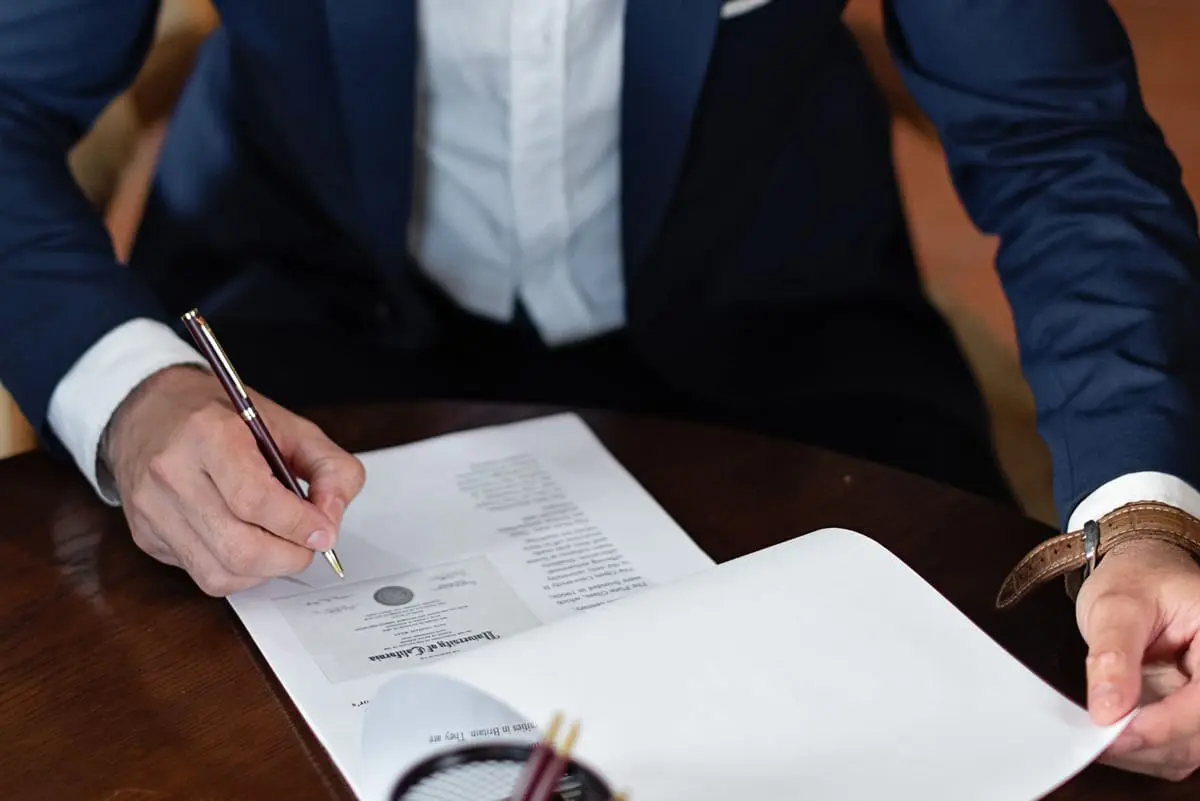
Selling a house requires the owner to sign the deed (escrituras) before a notary public (notario público). But what happens when the owner lives abroad, is ill, or the property belongs to several people who can't all be present on signing day? For those cases there is the power of attorney (poder notarial), a legal instrument that allows another person to act on the owner's behalf. Understanding it well is key, because a poorly granted power of attorney can open the door to fraud or to selling under conditions you never intended. In this guide we explain, in general and orientative terms, how it works in Mexico.
What is a power of attorney?
A power of attorney (poder notarial) is a document granted before a notary public (notario público) through which one person (the principal, or poderdante) authorizes another (the agent or attorney-in-fact, known as the apoderado or mandatario) to carry out certain legal acts on their behalf. In a real estate sale, that act is usually signing the sales contract and the deeds transferring ownership.
The power of attorney grants legal representation, but it does not transfer ownership: the owner remains the titleholder until the sale is completed. The agent simply acts as the owner's "hand" to sign and handle paperwork. It's worth stressing that the exact rules can vary depending on each state's civil code, so it is always advisable to confirm the details with the notary who will handle the transaction.
Key fact
To sell real estate, you need a power of attorney that includes authority for acts of ownership (actos de dominio). A power that only covers acts of administration (such as collecting rent) is normally not enough to sign the sale.
When do you need a power of attorney to sell?
A power of attorney isn't always necessary: if the owner can appear to sign, ideally they should do so in person. The power of attorney makes sense in situations where the owner's presence is difficult or impossible. The most common cases are:
- Owner living abroad: they live or work outside Mexico and can't travel for the signing.
- Ill or elderly owner: due to health conditions, it is difficult for them to go to the notary's office.
- Multiple co-owners: a house inherited among siblings, for example, where not everyone can be present at the same time; they usually appoint one of them as agent for the others.
- Conflicting schedules: the owner lives in another city and wants to avoid repeated trips during the process.
If you are buying or selling and the other side is acting through an agent, always verify the legitimacy of the power of attorney. These kinds of transactions are also a place where scams can appear, so we recommend reviewing our guide on how to avoid real estate fraud.
General vs. special power of attorney for acts of ownership
Although the classifications may vary depending on local legislation, in general terms two main types are usually distinguished as relevant to a sale:
General power of attorney for acts of ownership
It grants broad authority to dispose of the principal's assets: selling, encumbering, mortgaging, or transferring properties, without being limited to one specific transaction. It is very powerful and, for that very reason, very delicate: the person who receives it could sell more than the owner ever imagined.
Special (or limited) power of attorney
It is restricted to one specific act or asset. For example, a special power of attorney to sell only "the house located at such-and-such address," for a set minimum price and to a defined buyer or under defined conditions. Many specialists consider this the most prudent option for a one-time sale, because it clearly delimits what the agent can and cannot do.
| Aspect | General power for acts of ownership | Special power |
|---|---|---|
| Scope | Broad: all assets | Limited to one asset or act |
| Risk level | High | Lower |
| Typical use | Comprehensive management of assets | Sale of one specific house |

How it is granted before a notary
A power of attorney for acts of ownership is usually granted by public deed (escritura pública) before a notary. Broadly speaking, the process tends to follow these steps, although specific requirements may differ from one state to another:
- The principal goes to the notary with valid official ID and personal information (CURP, proof of address).
- The type of power of attorney, the authority being granted and, if it is a special power, the property and the conditions of the sale are precisely defined.
- The notary drafts the instrument and verifies the identity and legal capacity of the person granting the power.
- The principal signs the deed; the notary formalizes it in the notarial protocol and issues certified copies for the agent.
- In some cases it is advisable to register the power of attorney or leave a record of it, depending on what the transaction requires.
Notary fees and timelines vary by state and by the complexity of the document, so it is wise to request a quote before starting. If you are also working out the sale price of the property, our value calculator can help you estimate its worth.
Risks of granting an overly broad power of attorney
This is the most sensitive point of the whole subject. Signing a general power of attorney for acts of ownership means handing another person the legal ability to dispose of your assets. If that person acts in bad faith, the consequences can be serious and hard to reverse.
Warning: risks of a broad power of attorney
Granting a general power of attorney for acts of ownership without clear limits can expose you to situations such as:
- The agent selling the property at a price far below its real value or to a fictitious buyer.
- The agent disposing of other assets of yours that you never meant to include.
- The agent mortgaging or encumbering the property without your knowledge.
- The agent using the power long after the sale has concluded, if you don't revoke it in time.
- Lending itself to fraud, a real risk when too much control is given to untrustworthy people.
The general recommendation is to grant the most limited power possible for the purpose you need, to prefer a special power of attorney when dealing with a single sale, and to choose as your agent only someone you trust absolutely.
Before signing any power of attorney, it is worth getting advice from an attorney or from the notary and verifying the reputation of all parties involved. Complement these precautions with our guide to avoiding real estate fraud.
How to revoke a power of attorney
In most cases, a power of attorney is neither eternal nor irrevocable: the principal can revoke it whenever they wish. Revocation is normally done before a notary, leaving a record that the authority granted is no longer in effect.
- Go to the notary and request revocation of the power of attorney, providing the details of the original instrument.
- It is advisable to formally notify the agent and, where applicable, any third parties who might rely on that power of attorney.
- Keep the revocation record to prove that the power of attorney is no longer in force.
Revoke it once its purpose is fulfilled
A good practice is to revoke the power of attorney as soon as the sale it was granted for is completed. Leaving a broad power of attorney "active" indefinitely increases the risk that it will be used for unintended purposes.
Granting a power of attorney from abroad
When the owner is outside Mexico, the power of attorney can be granted remotely, but it must meet additional formalities to be valid in the country. In general terms, there are two common routes:
- Before a Mexican consulate: the principal goes to the Mexican consulate in the country where they reside and grants the power of attorney before the consular officer, who acts with notarial functions.
- Before a foreign notary with an apostille: it is signed before a notary in the relevant country and then legalized through an apostille (for countries party to the Hague Convention) or traditional legalization. A translation by a certified translator is also usually required.
These powers of attorney normally must be formalized before a notary in Mexico to take effect in the sale. The exact procedures and documents vary depending on the country of origin, so it is wise to confirm them with the consulate and with the Mexican notary who will handle the transaction. If you are a foreigner investing in property in Mexico, you will find additional context in our legal guide to investing in real estate as a foreigner.
Frequently asked questions
Can I sell a house with a general power of attorney for administration?
Generally not. To sign the sale, you usually need a power of attorney that includes authority for acts of ownership. A power of attorney for administration normally only covers tasks such as collecting rent or paying utilities. Confirm the scope with your notary.
Does the agent keep the money from the sale?
They shouldn't. The agent acts on the owner's behalf, and the proceeds of the sale belong to the owner. Setting out in writing how and to whom the payment is delivered helps avoid misunderstandings and abuse.
Can a power of attorney have an expiration date?
A term of validity or conditions limiting it in time can be established. It is also possible to revoke it at any time before a notary. Consult your notary on how to draft it for your case.
Is a power of attorney signed abroad valid in Mexico?
It can be if it meets the corresponding formalities, such as being granted before a Mexican consulate or legalized with an apostille and, in many cases, formalized before a notary in Mexico. The requirements depend on the country of origin.
Ready for your real estate transaction?
Whether you are selling through an agent or buying your next home, start with clear information. Explore properties and estimate the value of the one you are interested in.
Listings
Recent properties
 For sale
MX$1,440,000
Land
Land for Sale in Residencial Lomas del Dorado
Boca del Río, Veracruz
 For sale
MX$3,900,000
House
House for Sale in Las Lomas, Riviera Veracruzana | 3 Bedrooms with Private Bathrooms
Alvarado, Veracruz
 For sale
MX$10,900,000
Land
Attention Investors
Puerto Vallarta, Jalisco
Keep reading
Related articles

International Power of Attorney to Sell Your Home in Mexico
How an international power of attorney to sell a house works: where to get one, what legalization or apostille requirements apply, and which powers it must include.
María Elena Rodríguez
How to Give a Relative Power of Attorney to Sell Your Mexican Home
Giving a trusted relative power of attorney to sell your home lets you complete the sale even if you can't be there on signing day.
Carlos Mendoza
Selling Through Several Real Estate Agencies at Once: Risks
Listing with several agencies may seem like a faster way to sell, but it can lead to commission disputes, conflicting messages and buyer fatigue.
Inmobiliaria32 Team
Selling a Home With an Active Fovissste Loan
Selling a home with an active Fovissste loan requires paying off or transferring the loan before the deed is signed.
Carlos Mendoza
Legal and paperwork
Keep learning before you decide
102 guides on legal and paperwork, and thousands of properties listed across Mexico.