

Small Apartment Design Ideas: Gain Real Space
If you want to decorate a small apartment and gain real, usable space, these design ideas will help you get there.
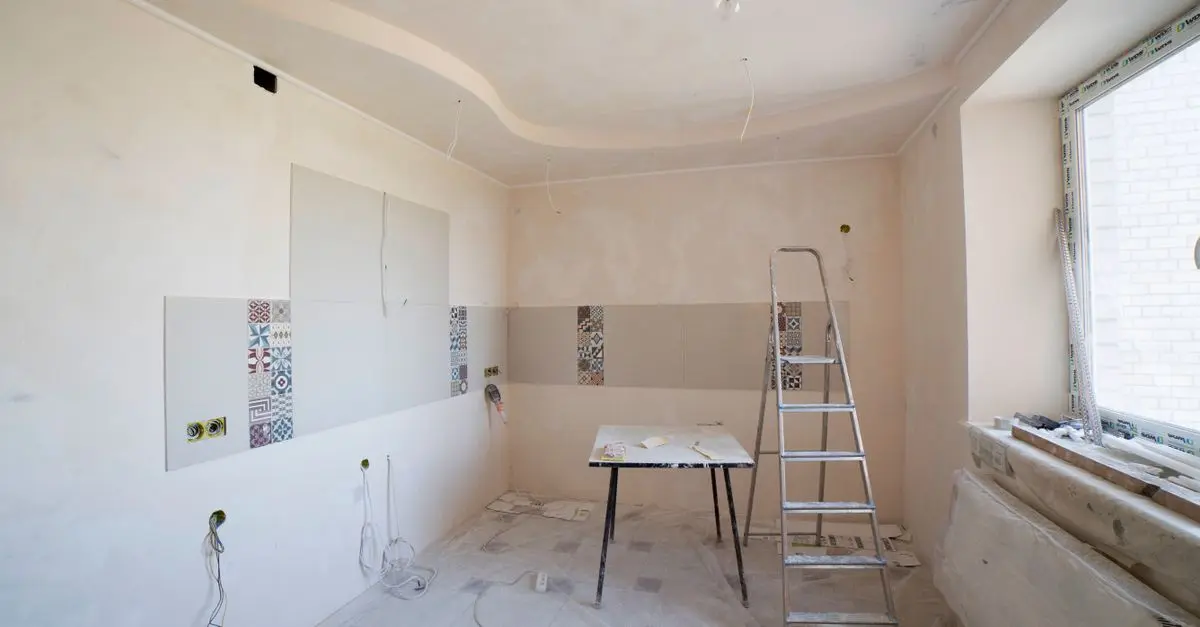
Living in a compact space doesn't mean giving up comfort or good taste. In cities like Ciudad de México, Guadalajara or Monterrey, more and more families and young professionals are choosing compact apartments for their location and affordable price. The key to making a small space feel open isn't its size, but the design decisions behind it: color, furniture, lighting and organization. If you're looking for ways to decorate a small apartment without overspending or sacrificing functionality, this guide gathers proven strategies you can start applying today.
Basic principles for small spaces
Before buying a single piece of furniture, it helps to understand the principles that make a small apartment feel comfortable instead of cramped. The first is visual hierarchy: a small space with many elements competing for attention feels chaotic, while one with a few well-defined focal points feels orderly, even with the same square footage.
The second principle is circulation. Always leave a clear walkway of at least 70 to 90 centimeters (roughly 28 to 35 inches) between main pieces of furniture; this is a rough guideline and may vary depending on your furniture and your building's rules, but it's a useful reference to avoid blocking the natural flow between rooms. An apartment with good circulation feels larger than one with more floor area but a poor layout.
The third principle is scale: in small spaces, bulky furniture (oversized sofas, heavy solid tables) overwhelms the room. It's better to choose pieces with light lines, visible legs and proportions suited to the room they're going in.
Color and lighting: your most affordable allies
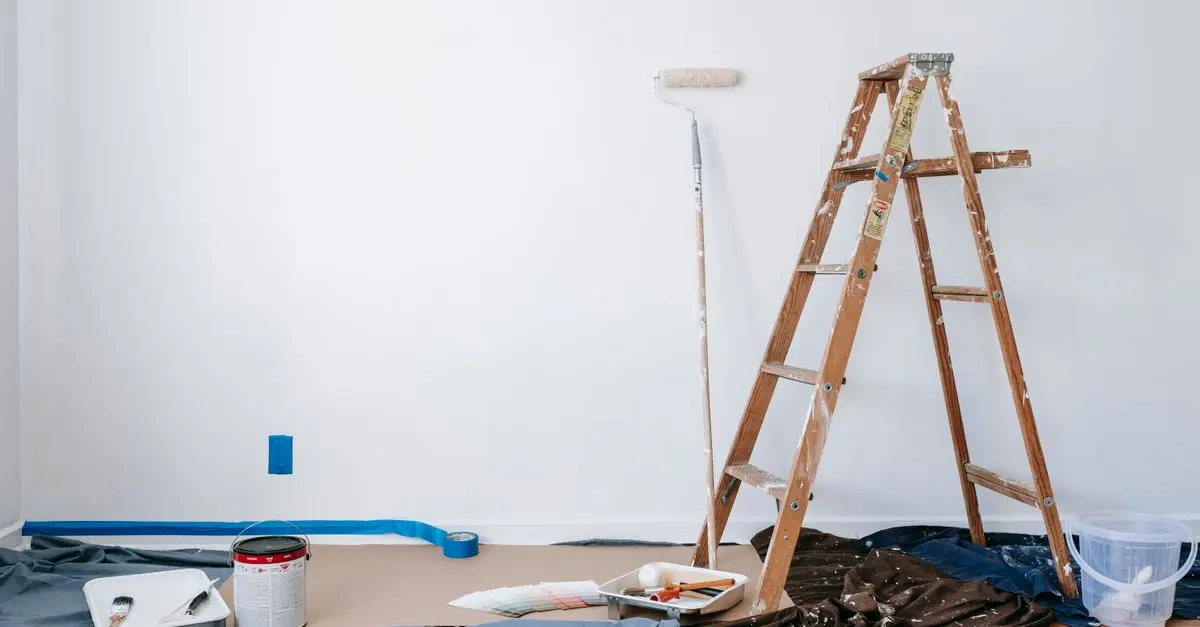
Painting is one of the most cost-effective ways to transform a small apartment. Light, neutral tones (warm whites, beige, light gray) reflect more light and create a sense of spaciousness. If you want to add color, do it on a single wall or through textiles and accessories, so you don't visually fragment the space.
Practical tip
Paint the ceiling the same shade as the walls, or slightly lighter. This removes the visual line that "cuts" the space and makes the ceiling look taller.
Lighting also plays a central role. Combine different light sources: general overhead lighting, task lighting (desk or floor lamps) and decorative lighting (LED strips, candles). Avoid relying on a single central fixture, since it creates harsh shadows and makes corners look dull. Mirrors strategically placed opposite a window also multiply the natural light available.
Multifunctional furniture and smart storage
In a small apartment, every piece of furniture should serve more than one purpose. Here are some combinations that work well in practice:
| Furniture | Extra function | Ideal for |
|---|---|---|
| Bed with built-in drawers | Storage for bedding and off-season clothing | Bedrooms without a large closet |
| Lift-top coffee table | Converts into a dining or work table | Living rooms that double as dining areas |
| Sofa bed | Hosts guests without an extra bedroom | Studios and lofts |
| Floating shelves | Replace floor-standing bookcases | Hallways and empty walls |
| Kitchen island on wheels | Mobile breakfast bar and extra work surface | Small or galley kitchens |
Make use of vertical space as well: install shelves near the ceiling for rarely used items and keep the lower drawers for everyday things. Vertical organizers inside closets and pantries often double storage capacity without taking up more floor space.
How to define zones without building walls
Many small apartments have open floor plans where the living room, dining area and sometimes even a study area share a single space. Instead of building walls (which reduces light and often requires permits), there are more flexible options:
- Rugs of different sizes to visually mark off each activity area.
- Low bookcases or folding screens that divide the space without blocking light or sightlines.
- Changes in paint tone or texture to set zones apart without construction.
- Different lighting for each zone (a pendant lamp over the dining table, spotlights over the living area).
- Furniture orientation: a sofa with its back to the kitchen already creates a psychological boundary.
If you're about to remodel or build from scratch, it's worth planning these divisions from the architectural design stage. You can browse existing apartments with open floor plans that make this kind of approach easier, or compare available land if you plan to build your own space from the ground up.
Common mistakes that shrink the perceived space
Some seemingly harmless decisions can make a small apartment feel even smaller. Avoid these common mistakes:
Mistakes to avoid
- Short curtains that don't reach the floor or cover the whole window.
- Furniture pushed toward the center of the room, breaking up the walkway.
- Too many small decorative objects on every surface.
- Dark colors in spaces without plenty of natural light.
- Rugs that are too small and "float" in the middle of the room.
On the other hand, hanging curtains close to the ceiling (even if the window is lower) visually lengthens the wall, and using rugs large enough to reach at least the front legs of the main furniture creates a sense of continuity. These adjustments cost little or nothing and make a noticeable difference in how the available space is perceived.
Before you remodel
If your project involves structural changes, the kitchen or the bathroom, it's best to first work out how much budget you need and confirm the condominium rules with the building administration before starting any work.
Frequently asked questions
What is the best way to decorate a small apartment on a tight budget?
Start with light-colored paint, layered lighting and rearranging the furniture you already have. These three changes usually deliver the biggest visual impact for the smallest investment, before you even think about buying new furniture.
Do mirrors really make a space look bigger?
Yes, as long as they're placed opposite a source of natural or artificial light, since they double the sense of depth. One large mirror on a strategic wall usually works better than several small mirrors scattered around.
Is it a good idea to knock down a wall to gain space in a small apartment?
It depends on whether the wall is load-bearing and on the rules of the condominium or building. Before considering it, it's recommended to consult a structural professional and review the internal regulations, since in many buildings this kind of modification requires prior approval.
What size of furniture is recommended for a small apartment?
As a general rule, look for pieces with visible legs and proportions that leave clear walkways. There's no single measurement that works for every case, so it's best to measure the available space before buying any large piece of furniture.
Looking for your next apartment, or ready to put yours on the market?
Explore available listings or publish your property in minutes.
Listings
Recent properties
 For sale
MX$1,440,000
Land
Land for Sale in Residencial Lomas del Dorado
Boca del Río, Veracruz
 For sale
MX$3,900,000
House
House for Sale in Las Lomas, Riviera Veracruzana | 3 Bedrooms with Private Bathrooms
Alvarado, Veracruz
 For sale
MX$10,900,000
Land
Attention Investors
Puerto Vallarta, Jalisco
Keep reading
Related articles

Pet-Friendly Apartments: What to Ask Before Renting
Not every apartment advertised as 'pet friendly' follows the same rules. Here are the key questions to ask before signing a lease with a pet.
Carlos Mendoza
Investing in Apartments for Student Rentals in Mexico
What to consider before investing in student rental apartments near universities: location, expected returns, risks, and property management.
Inmobiliaria32 Team
Condos vs. Houses: Which Appreciates More in Mexico?
Which appreciates more, a house or a condo? We compare appreciation (plusvalía) and demand.
Carlos Mendoza
Micro-Apartments in Mexico: Who They Work Best For
Micro-apartments in Mexico aim to ease the shortage of affordable housing in expensive urban areas. Here is how they work and who they suit best.
María Elena Rodríguez
Buying a home
Keep learning before you decide
358 guides on buying a home, and thousands of properties listed across Mexico.