

How to Buy a Foreclosed Home in Mexico: Step by Step (2026)
Buying a foreclosed home at a bank auction (remate bancario) can mean a great discount, but also serious risks like occupancy, back debts and eviction.
Buying a home at a bank foreclosure sale (remate bancario) is one of the ways some buyers try to pay less for a property in Mexico. The idea is appealing: homes priced below their market value. However, behind a good discount there are usually risks worth understanding thoroughly before you sign anything. In this 2026 guide we explain, step by step and with no sugarcoating, what foreclosure sales are, where they are listed, what discounts you might expect and, above all, the risks many sellers don't mention.
General warning before you start
A foreclosure sale is not a guaranteed bargain. It can come with occupants still living in the house, inherited debts and lengthy legal proceedings. Never hand over money or sign a deposit agreement without first verifying the property's legal, physical and financial situation, ideally with the help of an attorney or notary public (notario público) you trust. The information here is for guidance only and may vary by state, bank and type of sale.
What are bank foreclosure sales?
When a person stops paying their mortgage, the bank or financial institution can recover the home that was pledged as collateral. Those properties end up for sale through different mechanisms, which broadly fall into two categories that are worth not confusing.
Bank-owned properties (bienes adjudicados)
These are properties the bank (or a trust, known as a fideicomiso) has already recovered and holds in its inventory. Since the property is already in the institution's name, the purchase tends to look more like a traditional transaction: the bank sells, the deal is signed before a notary public and you receive the deed (escrituras). In general, this arrangement tends to be clearer and less uncertain than an auction, although it is not free of risks such as occupancy or back debts.
Court auction (remate en juzgado)
Here the property is still part of a lawsuit. A court orders the sale as part of a legal proceeding, and to participate you normally must meet formal requirements, such as posting a deposit or bid guarantee. This route usually offers larger discounts, but it also concentrates most of the risks: the house may be occupied, the process may drag on and physical handover is not always immediate.
Key fact
The difference between a bank-owned property (adjudicado) and a court auction is fundamental: it changes who sells to you, what you sign, how much you can save and how much risk you take on. Before getting interested in a property, identify which of the two cases you are dealing with.
Where are foreclosure sales listed?
Opportunities are not always in one place. These are the most common channels, although you should verify each source directly because they change over time:
- Banks' own foreclosed-property portals: many institutions have a section for selling recovered properties.
- Specialized platforms and firms that market the real-estate portfolios of banks and trusts.
- Court bulletins and notices for court auctions, which are usually published in official outlets depending on the state.
- General real-estate portals, where these properties are sometimes listed. You can compare reference prices by exploring the market in our property search.
Beware of fraud
Foreclosure sales are fertile ground for scams: supposed paid "exclusive listings," deposits sent to personal accounts and promises of properties at impossible prices. Be wary of anyone who pressures you to deposit money quickly or avoids giving you documents. Before moving forward, read our guide to avoiding real-estate fraud and always verify the official source.
Possible discounts
The discount is the reason most people look into foreclosure sales, but it's important to keep realistic expectations. There is no guaranteed fixed percentage: it depends on the bank, the condition of the property, whether it is occupied and the competition from other interested buyers.
As a general reference, bank-owned properties tend to sell at moderate discounts relative to market value, while court auctions can show bigger markdowns precisely because they involve more risk and uncertainty. In many cases, that "discount" is later offset by eviction costs, debts, repairs and paperwork. To find out whether a price is really a good deal, compare it with market value using our how much is your property worth tool.
| Aspect | Bank-owned property | Court auction |
|---|---|---|
| Who sells | Bank or trust | Court, within a lawsuit |
| Typical discount | Moderate | Potentially larger |
| Risk level | Medium | High |
| Physical handover | May require legwork | Sometimes uncertain or delayed |
Risks you should know about
This is the heart of the decision. A foreclosure purchase can turn into an excellent buy or a costly headache. These are the most important risks to weigh carefully.
Risk 1: Occupancy and squatters
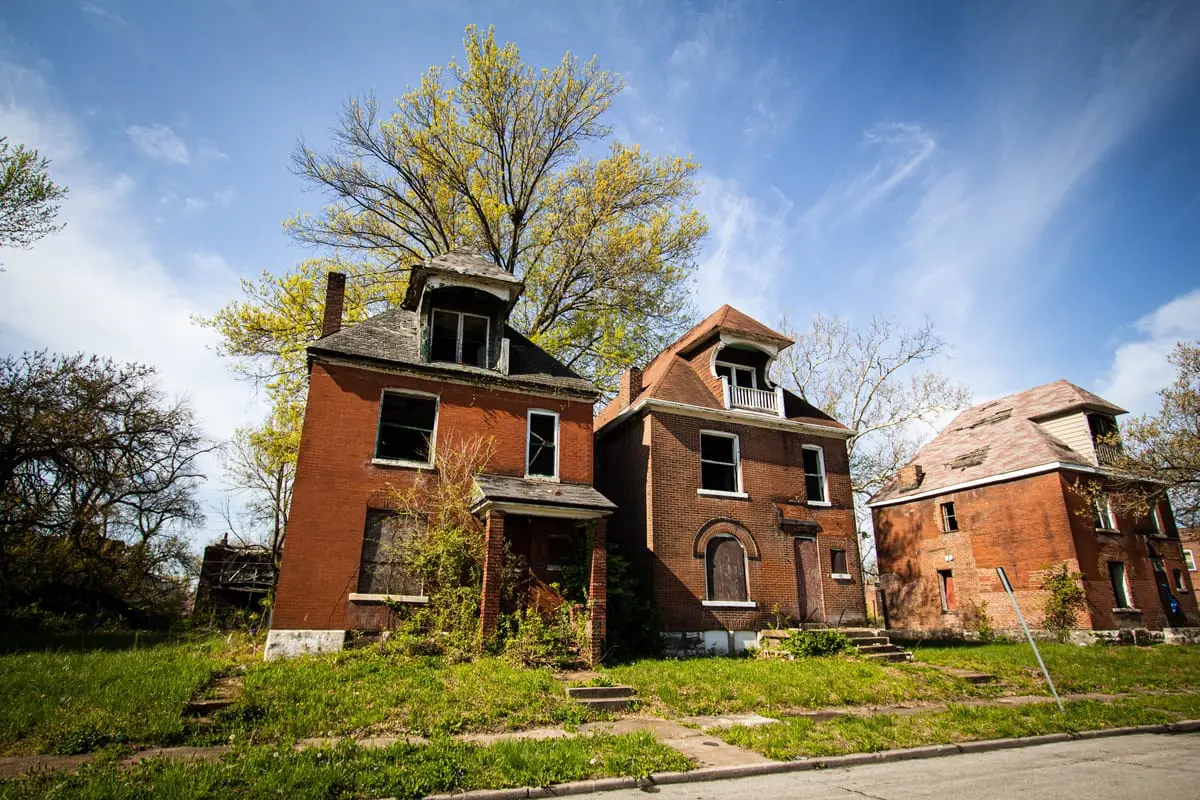
Many foreclosed properties are still inhabited, whether by the former owners, by tenants or by occupants with no legal connection (squatters). Buying an occupied house means that, even with the deed in hand, you will still have to get the people to leave, which can take time and money. Never assume the house is vacant: confirm it before committing.
Risk 2: Inherited debts
The property may carry unpaid property tax (predial), water, electricity or maintenance fees from the condominium regime. In some cases, certain debts can stay attached to the property and end up being your responsibility. Request certificates and account statements before buying, and clarify in writing with the seller who covers any outstanding debts.
Risk 3: Long and costly eviction
If the house is occupied, recovering possession usually requires a legal process that can stretch over months and generate attorney fees. There is no guarantee it will be quick. Budget for this scenario from the start and keep in mind that, until you get the handover, you will not be able to use or rent the home.
Risk 4: Unknown physical and legal condition
It is common to buy without being able to inspect the interior, so there may be hidden damage or deferred maintenance. On the legal side, liens, pending lawsuits or problems with the deed may surface. A purchase with incomplete documentation is a serious red flag.
If you are specifically interested in foreclosure sales tied to social-interest housing, you can also check our guide on INFONAVIT foreclosure sales 2026 and their requirements, which operate under their own rules.
Prior research (due diligence)
The difference between a good purchase and a problem usually comes down to how much you investigated before signing. This checklist helps you reduce surprises, although it does not eliminate risk entirely:
- Confirm who is selling and under what arrangement (bank-owned or court auction).
- Request an up-to-date lien-free certificate (certificado de libertad de gravamen) from the Registro Público de la Propiedad.
- Check for debts on property tax (predial), water, electricity and maintenance.
- Find out whether the property is occupied and by whom, if possible by visiting the area.
- Review the deed (escrituras) and legal status with a notary public or attorney.
- Compare the price with the market value and calculate the likely extra expenses.
- Read the auction terms or contract closely: deadlines, guarantees and handover conditions.
Lean on a professional
A real-estate attorney or a notary public can spot problems that aren't visible at first glance. Their fee is usually far lower than the cost of inheriting a debt or fighting an eviction. In transactions carrying this much risk, professional advice is not an optional expense.
How to finance the purchase
Not all foreclosure sales can be paid for the same way. In general terms:
- Bank-owned properties: since the bank already owns the property, in several cases you can buy with cash or even through financing programs, depending on the institution.
- Court auctions: they usually require payment within short deadlines and sometimes in cash, which makes it hard to use a traditional mortgage. Verify the specific conditions before participating.
Before committing, be clear about where the money will come from, including a cushion for debts, repairs and possible legal procedures. Buying cheap but without the liquidity to cover surprises can backfire.
The process step by step
- Define your total budget, including a margin for expenses and surprises.
- Identify properties through official sources and confirm whether they are bank-owned or court auctions.
- Do your prior research (documents, debts, occupancy, legal status).
- Consult an attorney or notary public to review risks and conditions.
- Compare the price with market value and decide based on clear numbers.
- Meet the bank's or court's requirements to participate or buy.
- Formalize the transaction and secure physical handover before considering it closed.
Frequently asked questions
Is buying at a foreclosure sale always cheaper?
Not necessarily. Although the initial price may be lower, debts, repairs and eviction proceedings can reduce or even wipe out the savings. It's wise to calculate the total cost, not just the purchase price.
Can I go inside to see the house before buying?
It depends on the case. With bank-owned properties it is sometimes possible; with court auctions it often is not. If the house is occupied, access can be difficult or impossible.
What happens if the house is occupied?
You will have to handle recovering possession, which may require a legal process. Budget time and money for it and confirm the occupancy situation before committing funds.
Looking for a purchase with less uncertainty?
Foreclosure sales can be worthwhile, but they are not the only route. Explore properties with a clear status and estimate their real value before deciding.
Listings
Recent properties
 For sale
MX$1,440,000
Land
Land for Sale in Residencial Lomas del Dorado
Boca del Río, Veracruz
 For sale
MX$3,900,000
House
House for Sale in Las Lomas, Riviera Veracruzana | 3 Bedrooms with Private Bathrooms
Alvarado, Veracruz
 For sale
MX$10,900,000
Land
Attention Investors
Puerto Vallarta, Jalisco
Keep reading
Related articles

Judicial vs. Bank Foreclosure Auctions in Mexico
A house bought at a judicial auction (remate judicial) can cost well below its market value, with discounts that typically fall between 20% and 40% depending on the area.
Carlos Mendoza

Step-by-Step Guide to Buying Your First Home in Mexico in 2025
Buying your first home in Mexico is one of the most exciting and challenging moments of your life. With the Mexican real estate market showing signs of stability and new opportunities emerging, 2025 is shaping up to be an excellent year to take this important step.
Inmobiliaria32 Team

How to Buy Your First Home in Mexico: Step-by-Step Guide
Everything you need to know to buy your first home in Mexico in 2025. Financing, INFONAVIT, documents and the best areas. A complete step-by-step guide!
María Elena Rodríguez

Step-by-Step Guide to Buying Your First Home in Mexico (2025)
A complete guide to buying your first home in Mexico. From assessing your finances to closing at the notary, everything you need to know about financing, documents, costs and available government programs.
Inmobiliaria32 Team
Buying a home
Keep learning before you decide
358 guides on buying a home, and thousands of properties listed across Mexico.