

House Viewing Checklist: What to Inspect Before Buying
Before you buy, learn what to check when viewing a house: structure, moisture, electrical and plumbing systems, finishes, light, noise.
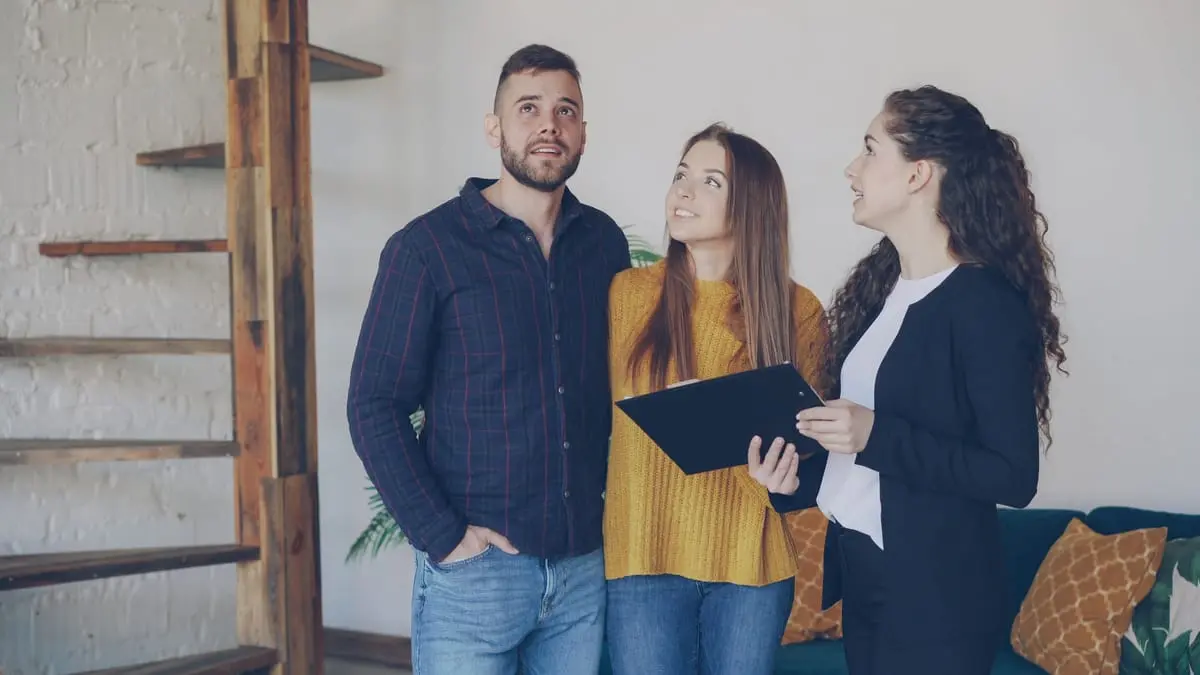
Falling in love with a house at first sight is easy; discovering its problems after you've already signed is far more expensive. That's why viewing a property with a clear checklist helps you look beyond the fresh paint and the nicely arranged furniture. In this guide we go through, point by point, what to inspect before buying a house in Mexico, from the structure and utilities to neighborhood safety and the questions worth asking the seller.
Structure: cracks, moisture and leaks
The most important parts of a house are the ones you can't always see at a glance. Before you pay attention to the decor, check the structural condition, because it's usually the most expensive thing to repair. Walk slowly through every room and observe carefully.
What to check on walls and ceilings
- Large or diagonal cracks, or cracks that run all the way across a wall; diagonal ones near doors and windows tend to be the most serious.
- Yellowish or brown stains on ceilings and in corners, a common sign of leaks.
- Bubbling paint, flaking plaster or mold in low areas and bathrooms.
- A damp or musty smell, especially in closets, closed-off rooms and under stairs.
- Uneven floors, loose tiles or doors that rub when opening, which can indicate movement in the building.
Watch out for fresh paint
A fresh coat of paint on just one wall can hide a damp stain or a crack. It isn't proof of bad faith on its own, but it is a good reason to ask questions and look more closely at that area.
Fine settlement cracks are common and often minor, but telling a surface fissure from a structural problem isn't always easy. If you have serious doubts, the prudent move is to bring in an architect or engineer before committing.
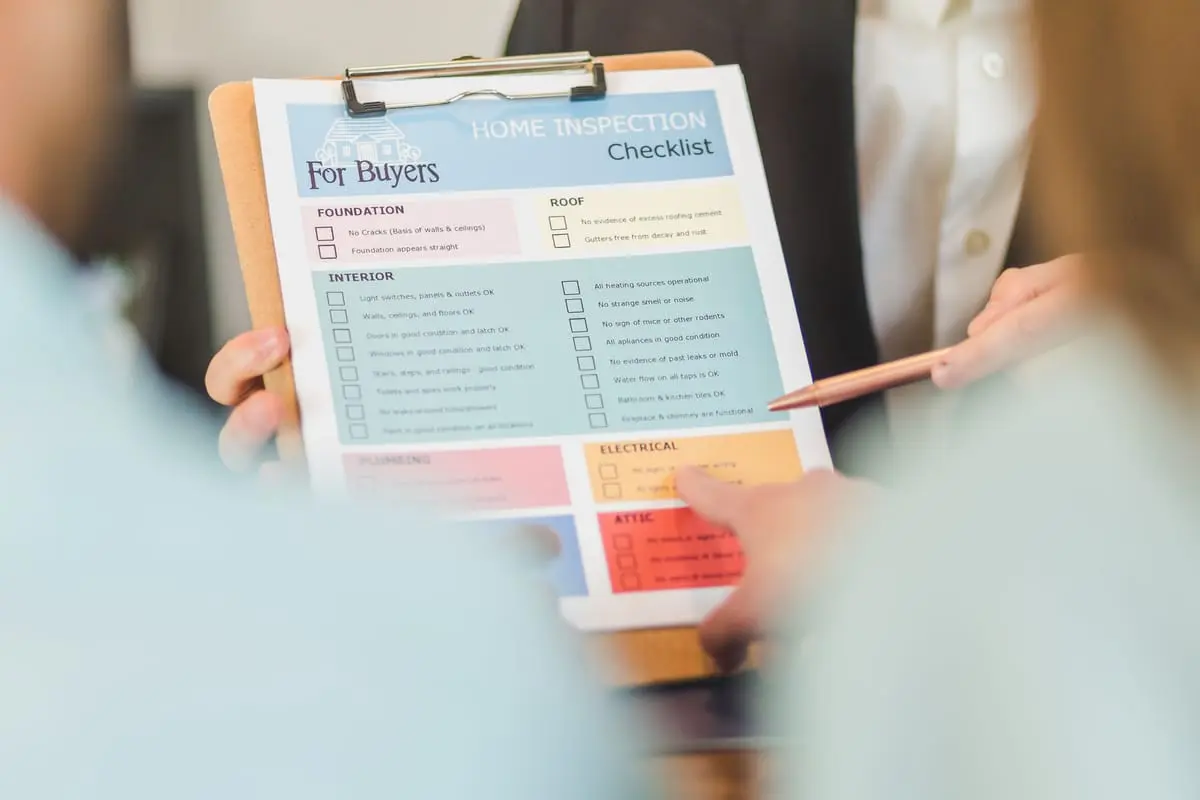
Utilities: electrical, plumbing and gas
The utilities are the nervous system of the house. Many faults won't show up on a quick walk-through, so it's better to test things rather than just look at them. Ask for permission to flip switches and turn on faucets.
Electrical system
- Test every switch and make sure the lights come on without flickering.
- Check that there are enough outlets in each room and that you don't see makeshift or exposed wiring.
- Locate the breaker panel (centro de carga) and see whether it looks tidy or overloaded.
- Ask whether the wiring is recent and whether it can handle the load of air conditioners or large appliances.
Plumbing and water pressure
- Turn on several faucets at the same time to gauge the water pressure; very low pressure can be a daily annoyance.
- Flush every toilet and check that none keep running or dripping.
- Look for visible leaks under sinks and utility sinks and at washing machine hookups.
- Ask about the water source: municipal supply, rooftop tank (tinaco), cistern or well, and how often the water is delivered.
Gas and water heater
- Find out whether the gas is stationary (tank) or natural gas piped in, depending on the area.
- Check the water heater (tankless or storage tank), its approximate age and its general condition.
- Make sure there's no gas smell near the stove or the water heater.
Bring the basics with you
A phone charger to test outlets, your phone's flashlight for dark corners and a notebook to jot down findings will make your visit much more productive. Taking photos of every detail will also help you compare properties.
Finishes and details
Finishes affect the cost of later repairs and your day-to-day comfort. Although they're easier to change than the structure, together they add up to a significant investment.
- Check the condition of floors, tiles, doors, windows and locks.
- Make sure doors and windows close properly and seal against drafts and rain.
- Look at the condition of the kitchen and bathrooms, which are usually the most expensive to remodel.
- Pay attention to closets, window frames and window screens, details that are sometimes missing or damaged.
Orientation, light and ventilation
A house's orientation affects natural lighting, temperature and even your electricity bill. It's a factor that can rarely be changed, so it's worth evaluating carefully.
- Notice how much natural light comes in, and in which rooms, at the time of your visit.
- Consider how the sun hits the house given your city's climate: in hot areas, too much afternoon sun can make the house stifling.
- Check for cross-ventilation so air can circulate and humidity stays down.
- See whether any rooms face a nearby wall that blocks light or the view.
Noise, neighbors and neighborhood safety
Buying a house also means buying its surroundings. A perfect home in an uncomfortable area can turn out to be a bad decision. Spend time walking around the colonia (neighborhood), not just looking at the house.
- Listen for the noise level: busy avenues, bars, workshops, schools or markets nearby.
- Look at the condition of the neighboring houses and the streets; they often say a lot about the atmosphere.
- Discreetly ask neighbors about safety and community life in the area.
- Check whether there is security patrolling, enough street lighting, and how busy the street is.
Research beyond the house
In addition to your own impressions, consult local sources about the colonia's safety and talk to more than one neighbor. The perception of safety can vary from one street to the next, so don't rely on a single opinion.
Nearby services and parking
Proximity to services affects your quality of life and also the property's appreciation (plusvalía). Think about your daily routine and your family's.
| Aspect | What to check |
|---|---|
| Transportation | Proximity to routes, stops and main roads |
| Shops and healthcare | Nearby stores, markets, pharmacies and clinics |
| Schools | Distance to schools if you have or plan to have children |
| Parking | Assigned spaces, garage or street parking availability |
Parking deserves special attention: confirm how many cars fit, whether the garage is covered and, if you'd be parking on the street, how hard it is to find a spot at different times of day.
Visiting by day and by night
A single visit rarely tells the whole story. A house can be quiet at midday and noisy at night, or a street that's bright by day can be poorly lit after dark. Whenever you can, visit the property at different times.
- By day: evaluate natural light, traffic and activity in the area.
- At night: check the street lighting, how safe the area feels and the nighttime noise.
- Weekday and weekend: the atmosphere can change quite a bit depending on the day.
- After rain, if possible: it helps you spot standing water and leaks.
Key questions for the seller
Asking the right questions gives you information that isn't always out in the open. Write down the answers and, when it comes to legal or payment matters, ask to see them in writing.
- Why is the house being sold, and how long has it been on the market?
- Is the property deed (escrituras) in the seller's name, and is it free of liens?
- Are the predial (property tax), water and, if applicable, maintenance fees all paid up to date?
- What repairs have been done recently, and which are still pending?
- Does the house accept financing (INFONAVIT, bank mortgage) or only a cash payment?
- Is there a set of rules for the gated community or condominium, and what fees does it involve?
Confirming that the property doesn't carry debts or legal problems is just as important as its physical condition. You can learn more about how to do this in our guide on how to verify that a property has no outstanding debts. And once the house has won you over, going through all of these points carefully will give you arguments to negotiate the price of a house with more confidence.
Consider a professional assessment
For higher-value properties or when you have structural doubts, hiring an inspection by an architect or engineer is usually a small investment compared with the cost of an undetected major repair. An appraisal (avalúo) also helps you know whether the asking price is reasonable.
Frequently asked questions
How many times should you visit a house before buying it?
There's no fixed number, but it's best to visit at least twice and at different times of day. Seeing the property by day and by night gives you a much more complete picture of the home and its surroundings.
Do I need to bring a specialist to the viewing?
With a basic checklist you can do a first evaluation on your own. However, if you spot significant cracks, widespread moisture or questionable utilities, bringing in an architect or engineer before buying is a prudent decision.
What is the most expensive thing to repair in a house?
In general, structural problems, foundation issues, widespread moisture and complete system overhauls are the most costly. Finishes and details are usually cheaper and easier to change.
Can I ask for repairs before closing the purchase?
Yes. What you found during your visit can be used to negotiate: you can ask for certain issues to be repaired or request a price adjustment that reflects the cost of those repairs.
Ready to find your next home?
Browse our catalog with this checklist in hand and estimate the value of the properties you're interested in so you can buy with confidence.
Listings
Recent properties
 For sale
MX$1,440,000
Land
Land for Sale in Residencial Lomas del Dorado
Boca del Río, Veracruz
 For sale
MX$3,900,000
House
House for Sale in Las Lomas, Riviera Veracruzana | 3 Bedrooms with Private Bathrooms
Alvarado, Veracruz
 For sale
MX$10,900,000
Land
Attention Investors
Puerto Vallarta, Jalisco
Keep reading
Related articles
20 Questions to Ask Before Buying a House in Mexico
The questions many buyers forget to ask the seller, the agent, and themselves before buying a home, organized by stage of the process.
Inmobiliaria32 Team
Buying Land in Mexico: Legal and Physical Checklist Before You Pay
What to check when buying land in Mexico: deed, land use, measurements, utilities and liens. A step-by-step checklist to avoid costly surprises.
Carlos Mendoza
Documents to Buy a House in Mexico: The Ultimate Checklist
What documents do you need to buy a house in Mexico? Here is the complete checklist of papers the seller must provide and the ones you need to prepare.
Carlos Mendoza
How to Check Your Credit Report Before Buying a Home (2026)
2026 practical guide to reviewing your Buró de Crédito before buying a home: how to get your free Reporte de Crédito Especial and what a good score is.
María Elena Rodríguez
Buying a home
Keep learning before you decide
358 guides on buying a home, and thousands of properties listed across Mexico.