

The Rise of Mexico's Mid-Sized Cities: Why They Grow Faster
Mid-sized cities in Mexico are growing faster than many big metropolises thanks to lower living costs, industrial jobs, and a better perceived quality of life.
The growth of Mexico's mid-sized cities has become one of the central topics for anyone analyzing the national real estate market. Mid-sized cities, with populations between 200,000 and one million residents, are attracting investment, jobs, and new residents at a pace that in several cases outstrips that of the country's traditional large metropolitan areas. This translates into greater demand for housing, new developments, and, in some cases, accelerated appreciation (plusvalía) for those who bought before the growth became obvious to the rest of the market.
The reasons behind this momentum
Several factors explain why these cities are growing so strongly: a cost of living more affordable than in the major capitals, shorter commutes, proximity to industrial parks, and, in many cases, local policies that make it easier to open new businesses and housing developments. On top of that comes a cultural shift: more and more people are prioritizing quality of life and tranquility over the cultural or job offerings exclusive to the megacities, especially those who can work remotely or in a hybrid arrangement. Cities such as Mérida, Querétaro, León, and Aguascalientes are often cited as examples of this momentum, each with its own mix of attractive factors.
What investors look for in these cities
When evaluating a mid-sized city as an investment destination, it's worth checking for concrete signals that distinguish solid growth from a passing fad:
- Sustained growth in formal employment over recent years, not just temporary spikes.
- Public and private investment in roads and service infrastructure.
- Economic diversity, without depending on a single sector or large employer.
- Availability of developable land at prices that are still reasonable.
- Safety indicators and public services that back up the promised quality of life.
Challenges of such rapid growth
Rapid growth is not free of problems. Many mid-sized cities face infrastructure challenges because their infrastructure isn't growing at the same pace as their population: congested roads, water shortages in some cases, and health or education services that fall short of the new demand. For anyone buying a home in these cities, it pays to analyze not only current growth but also the local government's ability to plan and invest in infrastructure alongside real estate development, since unchecked growth can end up undermining the quality of life that originally drew the new residents.
Frequently asked questions
What makes a mid-sized city attractive for investing in housing?
A combination of growing employment, an affordable cost of living, infrastructure under development, and land prices that are still competitive compared with the country's large metropolitan areas.
Is the growth of these cities sustainable in the long term?
It depends on each case; cities with a diversified economy and good urban planning tend to sustain growth better than those that depend on a single sector or company.
What signs indicate that a mid-sized city may have infrastructure problems down the road?
Roads that are already congested, frequent reports of water shortages or service outages, and a lack of announced public investment despite population growth are warning signs worth investigating before you buy.
Discover opportunities in fast-growing cities
Listings
Recent properties
 For sale
MX$1,440,000
Land
Land for Sale in Residencial Lomas del Dorado
Boca del Río, Veracruz
 For sale
MX$3,900,000
House
House for Sale in Las Lomas, Riviera Veracruzana | 3 Bedrooms with Private Bathrooms
Alvarado, Veracruz
 For sale
MX$10,900,000
Land
Attention Investors
Puerto Vallarta, Jalisco
Keep reading
Related articles
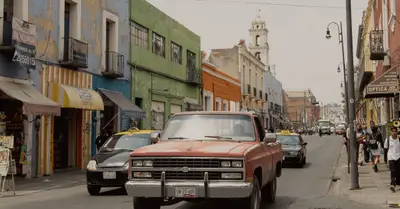
Cheapest Cities to Buy a House in Mexico
Discover the most affordable cities to buy a house in Mexico, what explains their low prices, and how to evaluate whether moving there makes sense for you.
María Elena Rodríguez

Gentrification in Mexico: Most Affected Cities in 2026
Gentrification in Mexico is now a matter of public debate in several urban areas.
Carlos Mendoza
Living in San Pedro Garza García: Mexico's Priciest Municipality
Living in San Pedro Garza García costs more than anywhere else in Mexico. Why it's so expensive, prices by area, taxes and traffic, before you buy or rent there.
Inmobiliaria32 Team
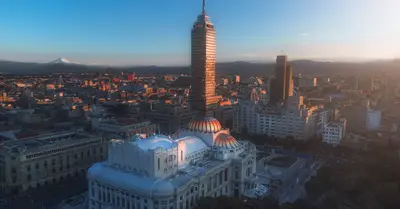
15 Mexican Cities With the Highest Appreciation in 2026
Find out which cities in Mexico are seeing the strongest property appreciation (plusvalía) in 2026.
Carlos Mendoza, Analista de Mercado Inmobiliario
Buying a home
Keep learning before you decide
358 guides on buying a home, and thousands of properties listed across Mexico.